

Winter is when immune systems are most tested—less sunlight, more time indoors, and a steady stream of seasonal bugs make it harder for the body to stay resilient. While no single food is a magic shield, consistently feeding the body dark green, chlorophyll‑rich vegetables can support the systems that defend against illness in meaningful ways. That is what it means to “feed your green gene”: give your immune system the green fuel it is designed to run on, every single day.
Why winter makes greens more important
Cold weather often means heavier comfort foods, fewer salads, and fewer fresh vegetables overall. Research summarized by the USDA and CDC shows that nine out of ten Americans do not reach the recommended daily servings of vegetables and fruits, especially dark green leafy vegetables, even outside of winter. When immune challenges rise and green intake falls, the gap between what the body needs and what it receives gets even wider.
Dark green vegetables carry more than just basic vitamins. They deliver chlorophyll, prebiotic fiber, antioxidants, and a wide spectrum of phytonutrients that work together to support detoxification, gut balance, and overall metabolic health. Those foundations matter in winter because immune function is not just about one nutrient like vitamin C; it is about the health of the whole terrain the immune system lives in.
Your “green gene” and the immune system
Recent research highlighted in Nature Immunology points to a group of immune cells in the gut lining—innate lymphoid cells, or ILCs—that help protect against harmful bacteria and may influence inflammatory diseases and even bowel cancer risk. These cells appear to respond to signals from leafy greens in the diet through a gene called T‑bet, suggesting a direct relationship between green vegetable intake and the condition of the intestinal immune barrier. In simple terms: the body seems wired to turn green vegetables into stronger frontline defenses.
At the same time, most of the immune system’s cells live in or around the gut, where they constantly interact with the microbiome. Whole‑food greens provide prebiotic fiber that feeds beneficial bacteria, which in turn help regulate immune responses and reduce the chronic, low‑grade inflammation that can weaken defenses over time. Chlorophyll‑rich foods have also been studied for antibacterial and deodorizing effects, which may relate to how they help modulate the internal environment and reduce toxic load.
Why whole‑food cereal grasses are winter power greens
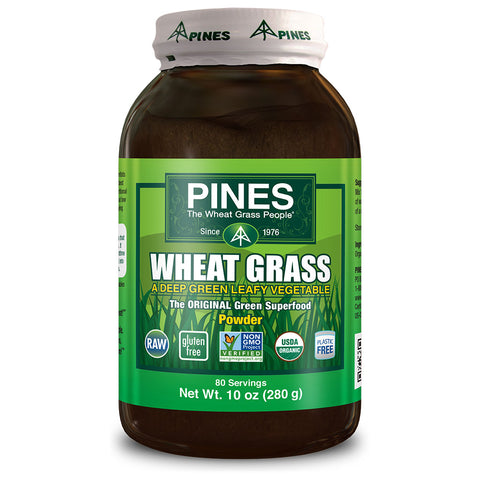
Cereal grasses like wheatgrass and barley grass, when grown and harvested correctly, are among the most nutrient‑dense dark green vegetables known. Pines Wheat Grass is grown outdoors in certified‑organic glacial soil in northeastern Kansas, using natural rainfall and cold winter temperatures that slow growth and concentrate nutrients. The grass grows for nearly 200 days, then is harvested only once a year during a brief jointing‑stage window, when chlorophyll, protein, and vitamins are at their peak before the plant diverts nutrients into grain.
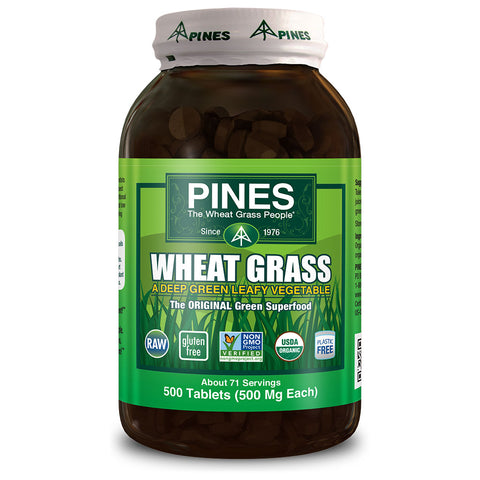
After harvest, the leaves are quickly dried at low temperatures and milled into a whole‑food powder that keeps the vegetable fiber intact. That combination of high nutrient density and prebiotic fiber makes cereal grass a powerful stand‑in for a large spinach salad in a tiny serving: about one rounded teaspoon of Pines Wheat Grass powder or seven tablets provides approximately the nutrition of a serving of deep‑green leafy vegetables. Because Pines is a single‑ingredient product, there are no cheap fillers; the focus stays on concentrated, field‑grown greens that deliver chlorophyll, vitamins, minerals, and hundreds of trace compounds in their natural balance.
Greens, detox, and staying “clean inside” during cold season
There is a long history of using chlorophyll‑rich foods to reduce odors and support better elimination—a simple sign of internal balance. Studies with whole‑food cereal grasses added to human and animal diets have shown reductions in bowel odor and other signs of lower toxic load, outcomes that likely come from the combination of chlorophyll and fiber improving colon conditions. A clean, well‑functioning colon is one of the primary ways the body gets rid of toxins through regular bowel movements, which is especially crucial when overall activity and sweating may drop in winter.
Whole‑food greens are prebiotic, meaning they provide the roughage and environment probiotic bacteria need to thrive. In contrast, juices—even green ones—remove most fiber and do not act as prebiotic foods, which reduces their usefulness for long‑term gut and immune health. Smoothies made with whole fruits and vegetables, plus a spoonful of wheatgrass powder, keep both chlorophyll and fiber together, supporting detox pathways and colon health in a way that aligns with how the human digestive system is designed to work.
Practical ways to feed your green gene all winter
Winter routines can make or break nutrition habits, so keeping it simple is critical. Pines Wheat Grass is designed to fit into everyday life as an “easy win” rather than another complex protocol.
Some practical winter patterns:
- One scoop in a morning smoothie Blend a rounded teaspoon of wheatgrass powder with fruit, water or plant milk, and maybe a spoonful of nuts or seeds to create a whole‑food, fiber‑rich drink that stands in for a big bowl of greens. This is an easy way to add chlorophyll, prebiotic fiber, and a wide nutrient spectrum to a breakfast you already enjoy.
- Seven tablets with your first big glass of water Keeping a bottle on the kitchen counter or desk turns a daily hydration habit into a daily greens habit. Tablets are convenient on busy or travel days, and the fiber in a seven‑tablet serving provides a meaningful prebiotic boost equivalent to a spinach salad’s green nutrition.
- Add greens to “comfort meals” Stir wheatgrass powder into soups after cooking or into warm (not boiling) beverages where a mild green flavor is welcome. Even if winter dinners lean heavier, this simple add‑on quietly raises the overall level of dark green vegetable intake.
Because Pines products are dried gently, packaged in oxygen‑free amber glass, and sealed with special metal caps, the greens stay vibrant and protected from oxidation until opened, unlike many plastic‑packaged powders that quickly lose color and nutritional potency. That means a single bottle can provide weeks of consistent winter greens support without daily shopping or prep.
Feeding the green gene is not about chasing perfection or avoiding every winter bug. It is about aligning daily habits with what the immune system and gut are built to thrive on: steady, abundant intake of dark green, fiber‑rich, chlorophyll‑dense foods, delivered in a form that actually fits real life.


Comments (0)
There are no comments for this article. Be the first one to leave a message!